Statement SR-333917 · posted October 16, 2026
Creator CommerceFull statement
LinkedIn Adds Creator Monetization Options: Terms Unconfirmed
LinkedIn has added creator monetization options, per a Yahoo Tech report — but no payout split, eligibility floor or attribution window appears in the source, leaving the economics unverifiable.
Statement notes
- LinkedIn has added new creator monetization options, per a Yahoo Tech report.
- The source discloses no commission rates, eligibility thresholds or payout schedule.
- The report carries no attribution window or market list for the new options.
- LinkedIn's revenue base has historically come from ads and Recruiter subscriptions, not creator payouts.
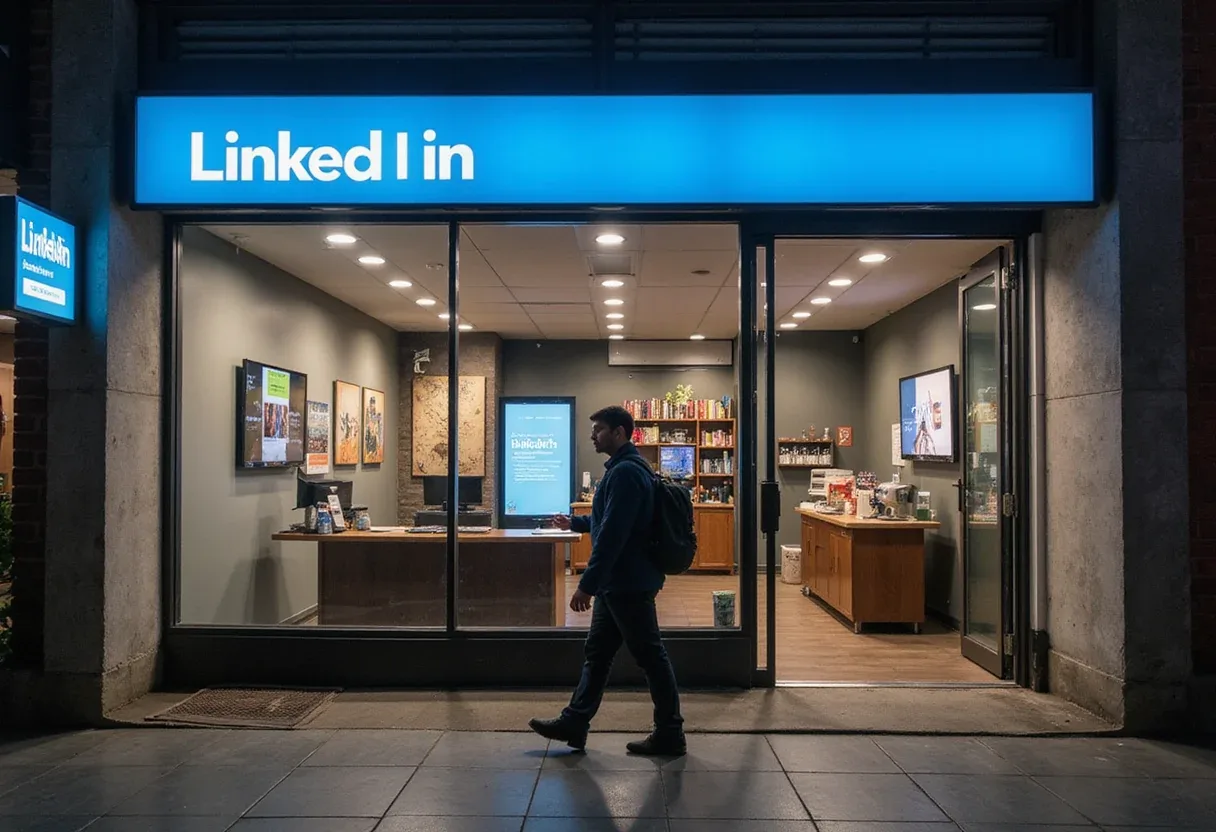
LinkedIn has added new creator monetization options, according to a Yahoo Tech report surfaced May 2025 — but the announcement, as carried, discloses no commission rates, no eligibility thresholds, and no payout schedule, leaving affiliates and creators without the numbers that determine whether the programs warrant traffic.
For performance marketers, that absence is the story. A monetization launch without published rev-share percentages, cookie windows, or attribution rules is a vendor assertion, not a measurable opportunity. Until LinkedIn publishes terms, any EPC or conversion claims attached to the new options should be treated as unverified.
What did LinkedIn actually announce?
The report confirms only the headline fact: LinkedIn has expanded the ways creators can earn on the platform. The Yahoo Tech item does not specify:
- Whether payouts follow a fixed fee, a revenue-share split, or a hybrid model
- Which content formats qualify — text posts, newsletters, video, or live sessions
- Eligibility requirements such as follower counts or prior engagement floors
- Payment thresholds, payout cadence, or the markets covered at launch
None of those parameters appears in the source material. RevShare Report has not independently verified the terms, and LinkedIn has not, in the material reviewed, published a rate card.
Why the structure matters more than the announcement
Creator payouts sit adjacent to, but distinct from, affiliate programs. A CPL or CPA deal attached to LinkedIn ads has long carried known fee structures through the platform's marketing solutions business. Creator monetization, by contrast, pays the content owner directly — and the economics hinge entirely on the split.
Comparable programs set a benchmark. Platform-funded creator funds typically pay per engaged view or per qualified subscriber, while rev-share models on subscription products commonly fall between 50 and 70 percent to the creator. LinkedIn has historically monetized through B2B advertising and Recruiter subscriptions, not creator payouts, so the new options mark a structural shift in how the platform allocates revenue — even though the source carries no figures to quantify it.
What should performance marketers watch?
Three disclosure points will decide whether the options matter for deal flow.
First, attribution. If LinkedIn credits a creator for downstream conversions — a subscription signup, a premium trial, a course purchase — the attribution window determines whether the program competes with direct CPA deals in the same vertical. A 30-day window behaves differently from a first-click model.
Second, category exclusivity. B2B education, SaaS and recruiting tools already run independent affiliate programs. If LinkedIn's creator payouts overlap those verticals, program-terms conflicts are possible: many merchant agreements prohibit incentivized or platform-paid placements alongside affiliate commissions, and the FTC's endorsement guides require clear disclosure of any material connection, including platform payments.
Third, scale and sample size. Early EPC figures circulated by creators on a new program reflect small samples and survivorship bias. Any measured comparison against established affiliate programs needs volume data LinkedIn has not released.
Compliance angle
Creators who join should treat platform payments as material connections under FTC disclosure rules. A paid placement that also carries an affiliate link must disclose both relationships. Merchants running LinkedIn-native campaigns alongside affiliate programs should audit their terms for exclusivity clauses before letting partners double-dip.
The open questions
The source report names no launch date beyond its May 2025 circulation, no revenue split, and no participating markets. LinkedIn has not stated, in the material reviewed, whether the options apply globally or roll out incrementally. RevShare Report will update when the platform publishes its rate card, eligibility rules and attribution terms.
Until those numbers land, the announcement is a signal of intent from a platform with roughly one billion members and a subscription-driven revenue base — intent that could shift budget in B2B verticals, but not yet a program an affiliate can underwrite traffic against.
The next verifiable data point to watch is LinkedIn's published payout terms.
source Google News: Creator commerce & monetization (Source)
Filed under
More from Nathan Brooks
Show full bio
News editor covering technology and product news in affiliate and partner marketing at RevShare Report.
44 articles