Statement SR-648090 · posted October 10, 2026
Creator CommerceFull statement
Myntra Pivots to Affiliate-Led Creator Commerce in India
Myntra is sharpening an affiliate-led creator commerce strategy in India as the country's creator economy scales, per a Social Samosa report, though specific commission tiers and cookie windows remain undisclosed.
Statement notes
- Myntra is pivoting toward affiliate-led creator commerce in India, per Social Samosa reporting.
- No commission rates, cookie window, or attribution period were disclosed in the source material.
- The model shift moves creator relationships from flat-fee influencer deals toward commission-based rev-share economics.
- Myntra is owned by Flipkart and operates one of India's largest fashion e-commerce catalogs.
- India's creator economy is cited in industry estimates as approaching multi-billion-dollar scale.
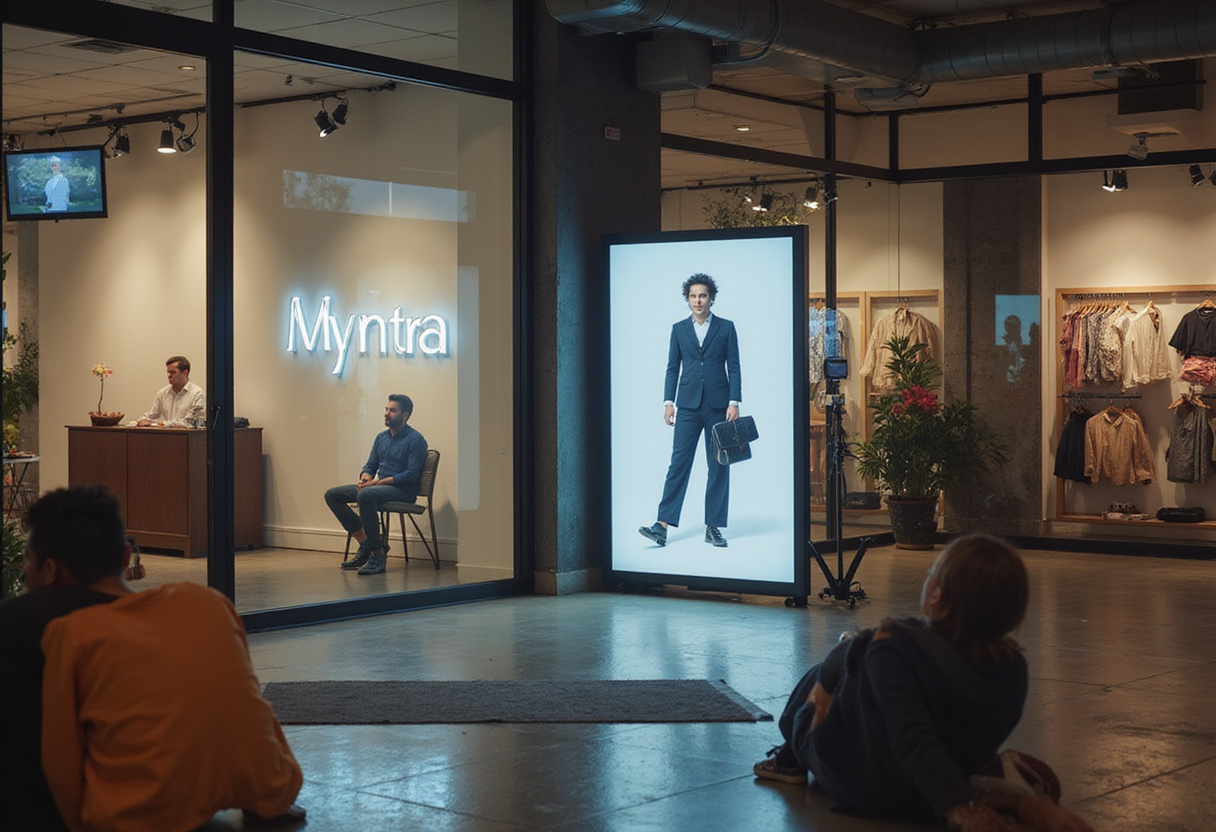
Myntra is sharpening an affiliate-led creator commerce strategy as India's creator economy continues to scale, according to a report from Social Samosa. The fashion platform is shifting emphasis toward commission-based creator partnerships as its primary lever for converting engagement into measurable sales.
No commission tiers, EPC benchmarks, cookie-window length, or attribution-window specifications were disclosed in the report referenced. The available signal is strategic direction, not program terms.
What is Myntra actually changing?
The reported move reframes creator relationships from flat-fee influencer collaborations toward affiliate-style rev-share economics. That distinction matters for performance marketers. A flat-fee model prices creator output as production overhead; a commission model prices creator output against conversions, which shifts risk back to the publisher.
For affiliates already running India e-commerce on networks such as vCommission, Cuelinks, or in-house programs at Flipkart-level retailers, the operative questions are payout rate, category exclusions, and reverse-window policy. None of those specifics appear in the public reporting.
How large is the market Myntra is chasing?
India's creator economy has been cited in industry estimates as approaching multi-billion-dollar scale, though third-party-verified revenue figures for Myntra's specific vertical remain thin. The platform, owned by Flipkart, operates one of India's largest fashion e-commerce catalogs and historically concentrates demand around marquee seasonal events including the End of Reason Sale and Big Billion Days.
Affiliate operators running paid social, fashion content sites, or YouTube review channels will track whether the new program structure survives peak quarter pressure or remains a non-seasonal always-on line item.
What does the model shift mean for publishers?
A rev-share or CPA-style creator program delivers three operational levers to affiliates: real-time conversion read-back, cookie-window clarity, and tiered commission by category or SKU class. CPL lead-gen structures rarely fit vertical apparel, where unit economics favor revenue share or a fixed CPA tied to first-order events.
The reporting does not specify whether Myntra will operate the program in-house, route through an existing affiliate network, or run a hybrid. Myntra's historical affiliate program has operated through network partnerships; any in-house migration would reshuffle intermediary economics for downstream publishers.
Compliance and disclosure context
Creator commerce in India sits inside an evolving disclosure regime. The Advertising Standards Council of India (ASCI) requires explicit labeling of paid creator content, and the CCPA and consumer-protection guidelines track affiliate relationships for transparency. Performance-based deals do not relax those rules; tracking intensifies on both the network compliance and the creator disclosure side, particularly around earnings claims.
Affiliates running undisclosed paid placements remain the recurring regulatory casualty in this market. Programs that route creator traffic through tracked links make disclosure easier to enforce and harder to evade.
What to watch next
The next data point is concrete program terms: commission rate floor, cookie duration, allowed traffic sources, and whether Myntra opens a self-serve affiliate onboarding flow. Until those mechanics publish, the announcement reads as directional positioning rather than an operational payout opportunity.
Performance marketers with India fashion budget should treat the Myntra move as an early structural signal, not a finalized program, and wait for verified commission terms before reallocating spend.
source Google News: Creator commerce & monetization (Source)
Filed under
More from Tom Whitfield
Show full bio
Correspondent covering industry trends and analytics at RevShare Report.
24 articles
Carried forward
- Meesho Reports 152% Creator Commerce Growth; Small-City India Drives 66% of Orders
- Myntra opens second Creator School cohort as creator push expands
- Wishlink Banks $17.5M Series B to Scale Creator Commerce
- Snapdeal and YouTube Link Up to Push Creator-Led Commerce
- Wishlink Banks $17.5 Million Led by Vertex Ventures SEA & India